
In an older Cincinnati home, dust often hides in the details: deep window trim, baseboards, radiators, decorative molding, stair rails, old floor edges, and the tops of doors. The fastest way to clean these areas is to work from high to low, use tools that capture dust instead of scattering it, and avoid treating every historic surface the same way.
Cincinnati’s housing stock includes Victorians, older brick homes, bungalows, row houses, and renovated properties with a mix of original and newer finishes. That architectural variety makes surface awareness far more important than a one-product-fits-all approach.
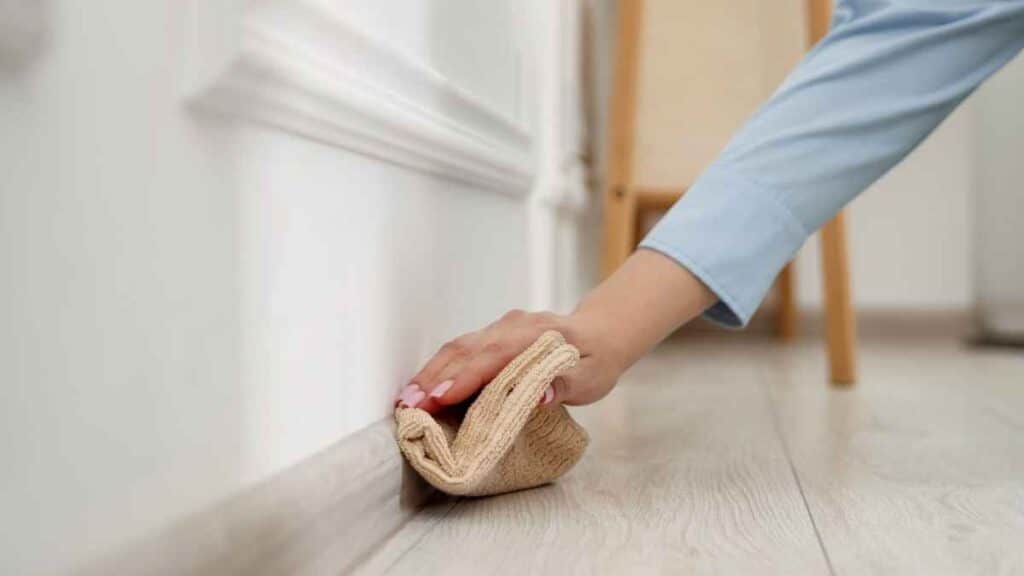
Start With Trim Above Eye Level
Door headers, crown molding, picture rails, and tall built-ins can collect dust for months because they are easy to miss during routine cleaning.
Focusing on these high-reach architectural details keeps dust from dropping later:
- Dust door headers and frames gently with a soft microfiber cloth.
- Wipe crown molding and picture rails using an extendable duster.
- Clean the tops of tall built-ins and decorative cabinet trim.
- Check upper window casings where fine particles settle unnoticed.
Work gently around aged paint, delicate plaster, or decorative woodwork, and avoid saturating older materials with liquid cleaners.
Clean Radiators and Baseboard Areas Carefully
Older homes may have radiators or other heating components that create narrow dust-catching spaces. Vacuum accessible loose dust around them before wiping nearby trim.
Do not disassemble or service heating equipment as part of normal cleaning. The goal is to remove reachable household dust, not perform mechanical maintenance.
Give Window Areas More Time Than Modern Flat Trim
Older windows often have deeper sills, lock ledges, multiple trim edges, and narrow tracks that collect dirt. Vacuum loose debris first, then wipe washable surfaces with a method appropriate for the finish.
Cleaning blinds or shades before the sill prevents dust from falling back onto a surface you just finished.
Pay Attention to Floor Edges and Corners
Dust can collect along hardwood edges, under radiators, around stair spindles, and where older baseboards meet the floor. A crevice tool can be more effective than repeatedly sweeping the center of the room.
For homeowners managing Cincinnati home cleaning in historic spaces, focusing on detailed work around edges often makes a bigger visual impact than simply sweeping the center of the room again.
Do Not Assume Original Wood Can Be Cleaned Like New Laminate
Older woodwork may have wax, oil, shellac, varnish, or other finishes that react differently to moisture and cleaning products. When you are unsure, use the least aggressive method and test carefully in an inconspicuous area.
Use Deep Cleaning for Accumulated Detail Work
If molding, baseboards, doors, blinds, fan blades, and floor edges all need attention at the exact same time, the issue is no longer just one dusty corner.
That is usually when booking a deep house cleaning service provides the best reset, clearing accumulated grime so routine maintenance becomes easy again.
Build a Rotation Instead of Recleaning Everything
Once the home is caught up, rotate the slower details. One week, focus on window trim. Another week, clean stair rails and baseboards. That simple rotation keeps historic details from turning into an exhausting all-day project.
Frequently Asked Questions
What collects the most dust in an older home?
Decorative trim, radiators, window ledges, baseboards, stair rails, and floor edges are common dust traps because they have more ledges and narrow spaces.
Should I wet-clean old wood trim?
Not automatically. Older finishes vary, so use a method appropriate for the material and avoid excess moisture.
What should I clean first?
Start with the highest trim and ledges, then work downward to furniture, baseboards, and floors.
How often should detailed trim be cleaned?
There is no universal schedule. Rotate it based on visible buildup, pets, airflow, and how quickly dust returns in your home.
Keep the Character, Lose the Dust
Older homes have more detail to care for, but they do not need to become harder to live in. If the accumulated trim and surface work has become more than you want to tackle yourself, contact us and Hall-Mark Premier House Cleaning Service can help keep your historic spaces looking their best.
