
Many homeowners follow cleaning routines that seem effective but still lead to repeated problems. These issues often come from small habits shaped by common misconceptions.
Over time, these patterns can make cleaning feel more time-consuming than it should be. Understanding how to prevent these mistakes helps create a smoother and more consistent routine.
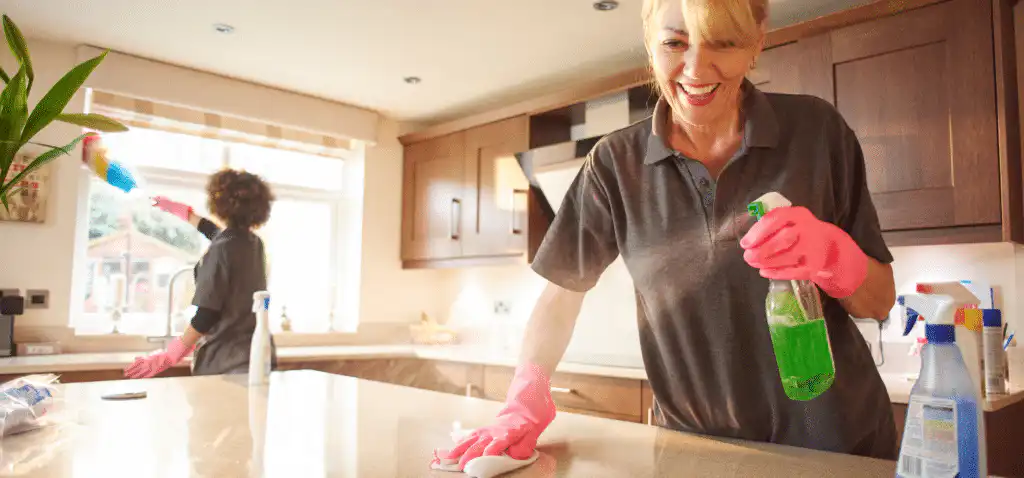
What Homeowners Often Miss in Daily Cleaning
Cleaning routines can become automatic, which makes it easy to overlook small but important details. These details often affect how long a space stays clean.
Homeowners may focus on visible areas while missing the factors that cause buildup. This leads to surfaces that look clean but don’t stay that way for long.
Frequently overlooked areas
- High-touch surfaces that collect residue
- Corners and edges where dust settles
- Areas cleaned too quickly without proper technique
- Surfaces left with excess product buildup
Paying attention to these details can improve results without adding more work.
How Cleaning Mistakes Develop Over Time
Cleaning mistakes often come from repeating habits that seem efficient. Over time, these habits become part of a routine without being questioned.
Shortcuts may feel helpful at first but can lead to more effort later. This creates a cycle where the same areas need constant attention.
Why these mistakes continue
- Relying on speed instead of method
- Using generalized cleaning approaches
- Assuming more product improves results
- Not adjusting routines based on outcomes
Recognizing these patterns is the first step toward improvement.
Practical Cleaning Strategies That Make a Difference
Improving cleaning routines doesn’t require more effort, just better technique. Small adjustments can lead to more consistent and lasting results.
Focusing on structured steps helps ensure that each task is completed effectively. This reduces the need for repeated cleaning.
Strategies to improve results
- Clean from top to bottom to avoid rework
- Use the correct amount of product for each surface
- Focus regularly on high-traffic areas
- Allow cleaning solutions time to break down dirt
These strategies help create a more reliable routine. Many homeowners also benefit from maintaining consistent upkeep through scheduled home recurring cleaning routines to support long-term results.
Building Habits That Prevent Repeated Work
Preventive habits help reduce the need for constant cleaning. Addressing small issues early keeps them from becoming larger problems.
Consistent routines allow homeowners to maintain balance without overwhelming effort. Over time, this approach makes cleaning more manageable.
Habits that support better maintenance
- Clean small messes as they happen
- Maintain a simple weekly routine
- Rotate focus across different areas
- Keep frequently used spaces organized
These habits help maintain a cleaner home with less repetition.
Frequently Asked Questions
Why do cleaning mistakes happen so often?
They usually come from habits formed without evaluating their effectiveness.
Does using more products improve cleaning results?
No, excess product can leave residue and attract more dirt.
Why do surfaces get dirty again quickly?
This often happens due to missed areas or ineffective techniques.
Is faster cleaning better?
Not always, proper technique is more important than speed.
Do all surfaces need the same cleaning method?
No, different materials require different approaches.
How can I prevent repeated cleaning tasks?
Focus on consistency, proper technique, and preventive habits.
Is daily cleaning necessary?
Not always, but regular maintenance helps reduce buildup.
Conclusion
Preventing common cleaning mistakes starts with understanding how everyday habits influence results. When you’d rather leave the technique to professionals, Hall-Mark Premier House Cleaning Service is a trusted cleaning company in Cincinnati, OH with background-checked, professionally trained cleaners who follow detailed checklists on every visit. Contact our team for a free quote.
We invite you to read these related articles:
Curious what Cincinnati homeowners think of our work? Read their reviews on our Google Business Profile.
Popup Quote Form