
Dust rarely spreads evenly throughout a home. Homeowners often notice that certain rooms or surfaces seem to collect it far sooner than others.
These patterns are not random. Airflow, household activity, and the materials inside a home all influence where dust travels and where it eventually settles.
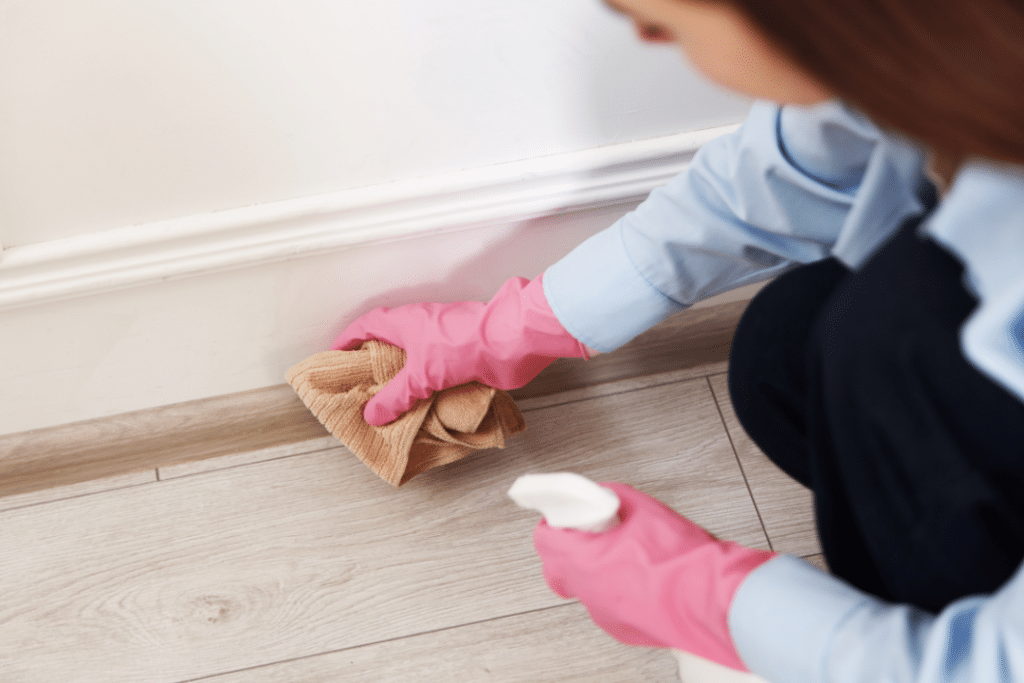
Why Dust Forms Inside Homes
Dust is made up of microscopic particles that circulate through indoor air before landing on surfaces. Much of it forms naturally through everyday living.
Fibers from fabrics, tiny skin particles, outdoor debris, and small bits of dirt all contribute to indoor dust. As people move through the home, these particles become airborne and eventually settle again.
Everyday Sources of Indoor Dust
Many common household elements contribute to dust formation.
Some of the most frequent sources include:
- Fibers released from clothing and upholstery
- Skin cells naturally shed by occupants
- Pet hair and microscopic dander
- Outdoor dirt brought in through entryways
- Tiny debris that enters through open windows
Because these sources are constant, dust continuously circulates within indoor environments.
Where Dust Tends to Accumulate First
Some areas of a home naturally collect more dust because they combine airflow movement with surfaces that easily capture particles.
Rooms that are used often tend to stir dust into the air more frequently. Over time, particles settle on furniture, shelves, and flooring throughout these spaces.
Household Areas That Often Gather Dust
Many homeowners notice quicker dust buildup in locations such as:
- Bedrooms with bedding and fabric materials
- Living rooms with upholstered furniture
- Entryways where outdoor debris is introduced
- Hallways where daily movement is frequent
- Shelves and decorative surfaces
These areas provide multiple surfaces where dust can settle and remain until it is removed.
Cleaning Strategies That Help Manage Buildup
Managing dust buildup often involves a combination of routine cleaning and occasional deeper attention to overlooked surfaces. Regular maintenance helps prevent particles from spreading from room to room.
Some homeowners occasionally look into more detailed cleaning approaches when buildup becomes difficult to manage. Additional information about deeper home cleaning methods can be found here.
Practical Cleaning Habits for Dust Control
Several simple habits can help reduce the amount of dust that settles inside the home.
- Dust surfaces from higher areas before cleaning lower ones
- Vacuum carpets and upholstery regularly
- Wipe frequently used surfaces during weekly cleaning
- Wash bedding often to remove fabric fibers
- Keep entry areas tidy to reduce outdoor debris
These habits remove settled particles before they have the opportunity to spread throughout the home.
Maintenance Habits That Slow Dust Accumulation
Dust management becomes easier when small tasks are completed consistently. Instead of allowing particles to build up over long periods, regular attention helps keep indoor environments more manageable.
Creating a steady household routine often prevents dust from collecting heavily on surfaces.
Helpful Long-Term Household Habits
Some maintenance habits that help reduce dust levels include:
- Limiting clutter on shelves and tables
- Rotating cleaning tasks throughout the week
- Allowing fresh air circulation when possible
- Monitoring air filters and ventilation systems
- Wiping high-touch surfaces during regular cleaning
Over time, these habits contribute to a cleaner and more comfortable living environment.
Frequently Asked Questions
Why does dust seem to return so quickly after cleaning?
Dust is constantly produced by everyday materials like fabrics and skin cells, which continue to circulate in indoor air.
Why do bedrooms often collect more dust?
Bedrooms contain bedding, clothing, and fabric surfaces that release small fibers over time.
Do electronics attract dust?
Electronics can attract dust due to static electricity that pulls small airborne particles toward them.
Why do entryways gather more dust?
Entryways often collect outdoor debris carried in on shoes, which contributes to faster dust buildup.
Does airflow influence where dust settles?
Yes, airflow from vents, windows, and daily movement can carry particles into certain rooms more frequently.
How often should dusting be done?
Many homes benefit from light dusting once a week to prevent visible buildup.
Does clutter make dust harder to manage?
Yes, clutter provides additional surfaces where particles can settle and makes cleaning more difficult.
Conclusion
Dust buildup inside homes is influenced by daily activity, airflow patterns, and the materials present in each room. Understanding why certain areas collect dust faster can help homeowners adopt simple habits that keep living spaces feeling cleaner and more comfortable.Homeowners looking to explore additional household maintenance resources can learn more from Hall-Mark Cleaning.
Popup Quote Form
